Validated Primary Human Retinal Endothelial Cells and Pericytes for Research

Validated Primary Human
Retinal Endothelial Cells
and Pericytes for Research

Validated Primary Human Retinal Endothelial Cells
and Pericytes for Research

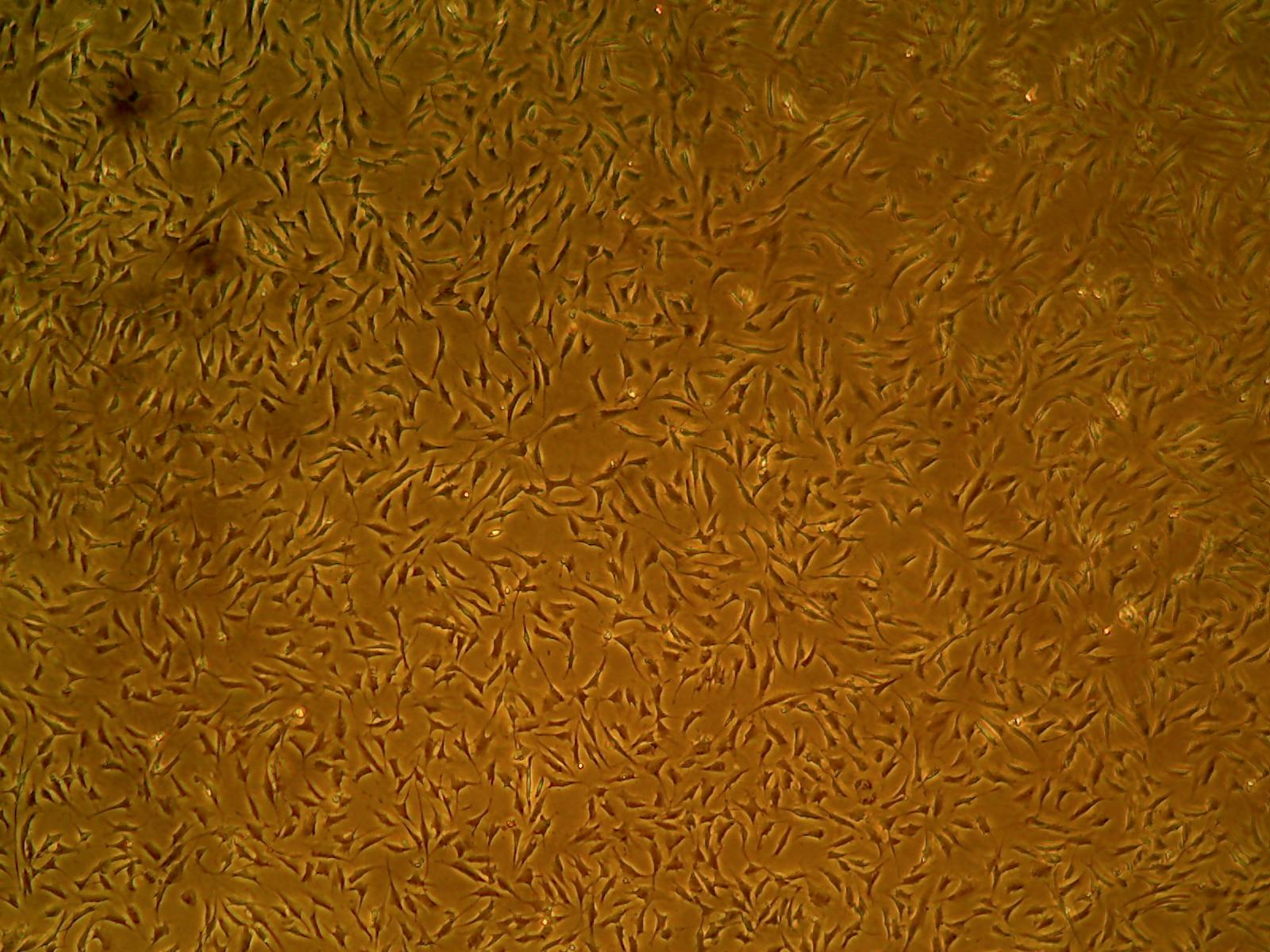
Cell Systems’ primary human retinal microvascular endothelial cells (HRMECs, ACBRI 181) and retinal pericytes (ACBRI 183) are optimized for blood-retinal barrier (BRB) modeling, angiogenesis, and retinal microvascular research applications.

These early passage, antibody-free cells are validated in high-impact studies for expression of key endothelial markers including CD31, VEGF, Ang-2, CCL2, NG2, and relevant regulatory RNAs. Applications include retinal permeability modeling, barrier function assays, transendothelial resistance testing, and 3D microvascular-on-chip studies.

With proven performance in co-culture, permeability, and gene expression assays, these primary human cells are ideal for 2D/3D research culture systems, organ-on-chip platforms, and blood-retinal barrier studies.

Key Features:

  • Early passage cells, Passage 3 (<12 population doublings)
  • Antibody-free isolation
  • High viability (~85%), 1M cells per vial
  • Supports 2D/3D culture, organ-on-chip, and co-culture
  • Shipped as frozen vials or proliferating flasks
  • Consistency across long-term studies with deep inventory from a single donor lot.

Cell Profile for ACBRI 181: Surface Markers, Genes & Soluble Molecules (Show More>)

Cell Marks, Genes & Molecules Tested Methodologies Most Cited Studies

CCL2 (mRNA and Protein)

  • Retinal Endothelial Barrier
  • Electrical Cell-Substrate Impedance Sensing (ECIS)

CD31, miR-579, NG2

  • cPWWP2A regulation of retinal pericyte function and pericyte–endothelial crosstalk in vitro

Ang-2 (Hs01048043), VEGF (Hs00900055), 18s RNA (Hs99999901)

  • Retinal Endothelial Barrier
  • Human Retinal Endothelial Cell Permeability Assay
  • Real-Time PCR
  • Measurement of Transendothelial Cell Resistance

For details on our primary human cell profiles, contact us at customerservice@cell-systems.com

Cell Profile for ACBRI 183: Surface Markers, Genes & Soluble Molecules (Show More>)

Cell Marks, Genes & Molecules Tested Methodologies Most Cited Studies

cZNF532 , PDGFR-β , α-SMA (after stimulation), Desmin, NG-2

  • qPCR

CD44, CD73, CD90, CD105, CD146, NG-2, PDGFR-β, CD146+GF-2+PDGFR- β, CD44+CD90+CD73+CD105

  • Growth Kinetic
  • Surface Marker Profile

Fibronectin, Vimentin, CD68, NG-2

  • Real Time qPCR
  • Cytomegalovirus Infraction
  • IBRB Tricell Culture Infection Model
  • Immunofluorescence using Chamber Slide Culture
  • Immunohistochemistry
  • Luminex Analysis for Cytokines


Wilkerson, I (2015). Retinal pericytes and cytomegalovirus infectivity: implications for HCMV-induced retinopathy and congenital ocular disease

For details on our primary human cell profiles, contact us at customerservice@cell-systems.com

Order HRMEC Cells and Pericytes Online

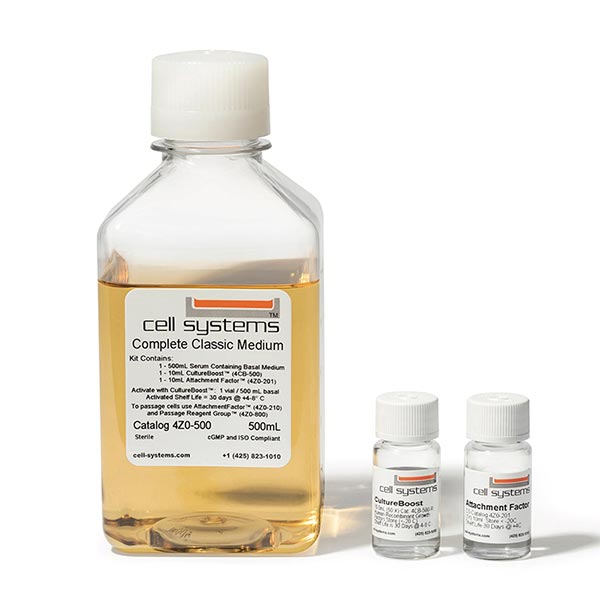
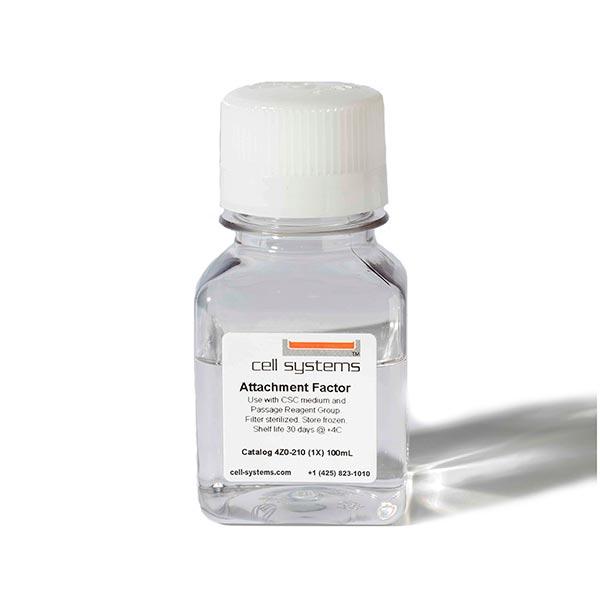
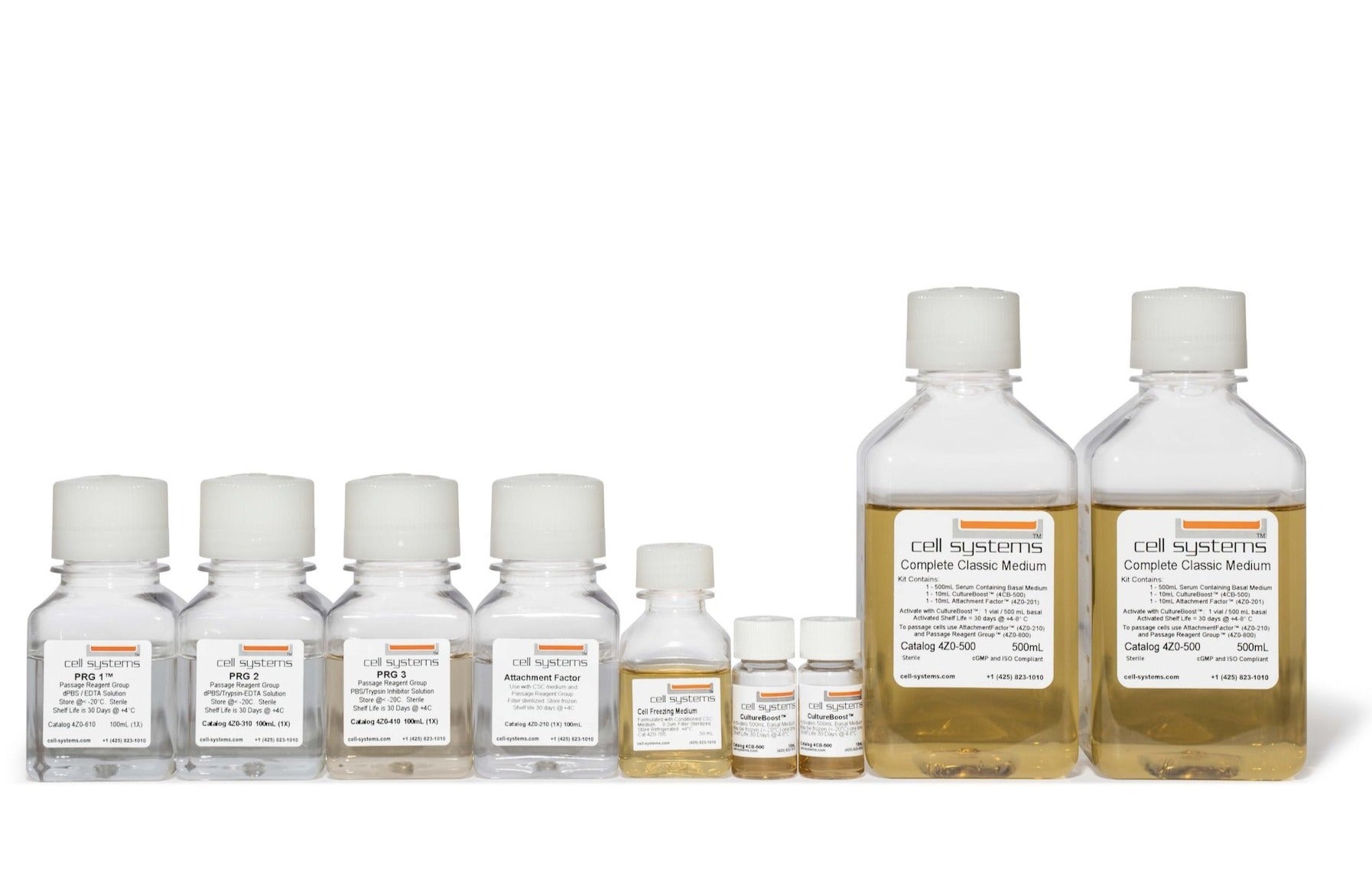
Order retinal endothelial cells online or submit a purchase order to order@cell-systems.com. Pair them with media and reagents specifically tested for consistent performance with Cell Systems' retinal endothelial and pericyte cells.

Isolated from normal human retinal tissue

Sold out

Isolated from normal human retinal tissue

Sold out

Optimized Media & Reagents for Retinal Endothelial Cells and Pericytes

Optimized Media & Reagents for Retinal Endothelial Cells
and Pericytes

Sold out
Sold out

Online Special: Save $200 with the Purchase of Primary Cells. Automatic discount at checkout.

Sold out

Validated across peer-reviewed studies - from retinal angiogenesis and diabetic retinopathy to barrier integrity and inflammation signaling in human retinal endothelial cells.
Discover additional research on Google Scholar that utilizes Cell Systems primary cells.

Validated across peer-reviewed studies - from retinal angiogenesis and diabetic retinopathy to barrier integrity and inflammation signaling in human retinal endothelial cells.

Discover additional research on Google Scholar that utilizes Cell Systems primary cells.

For research use only. Not for diagnostic or therapeutic applications.